Most Unusual Cars
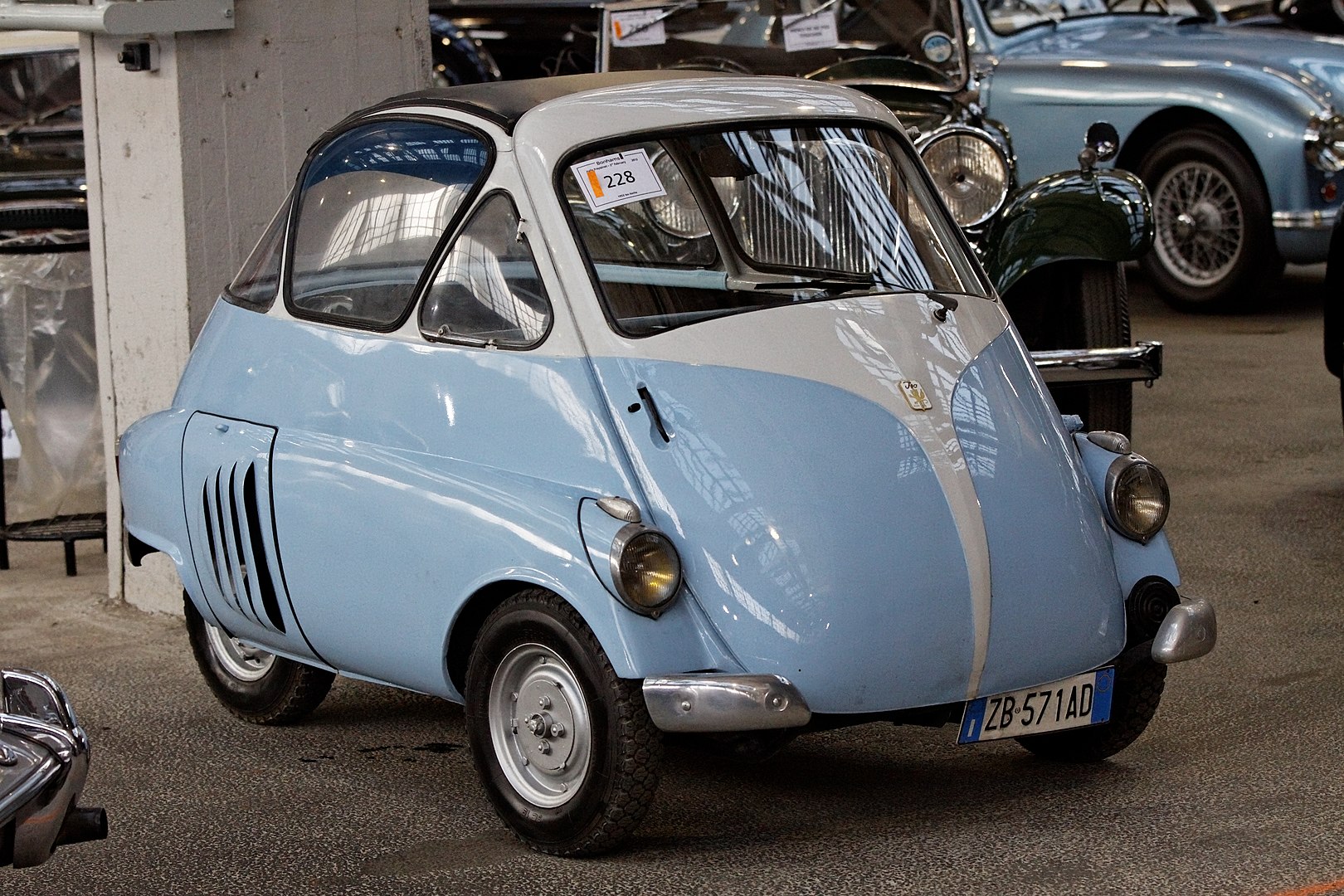
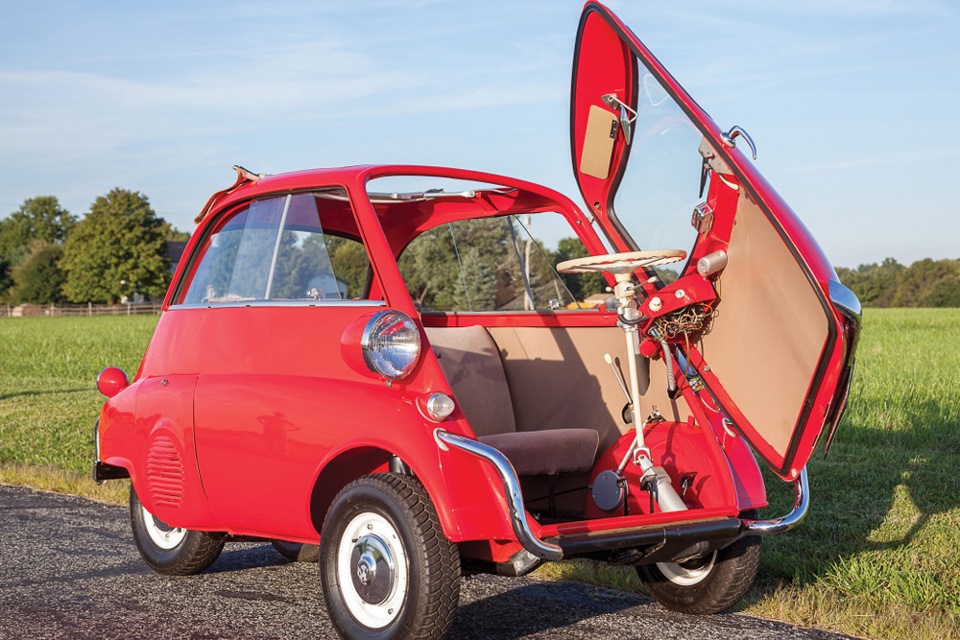
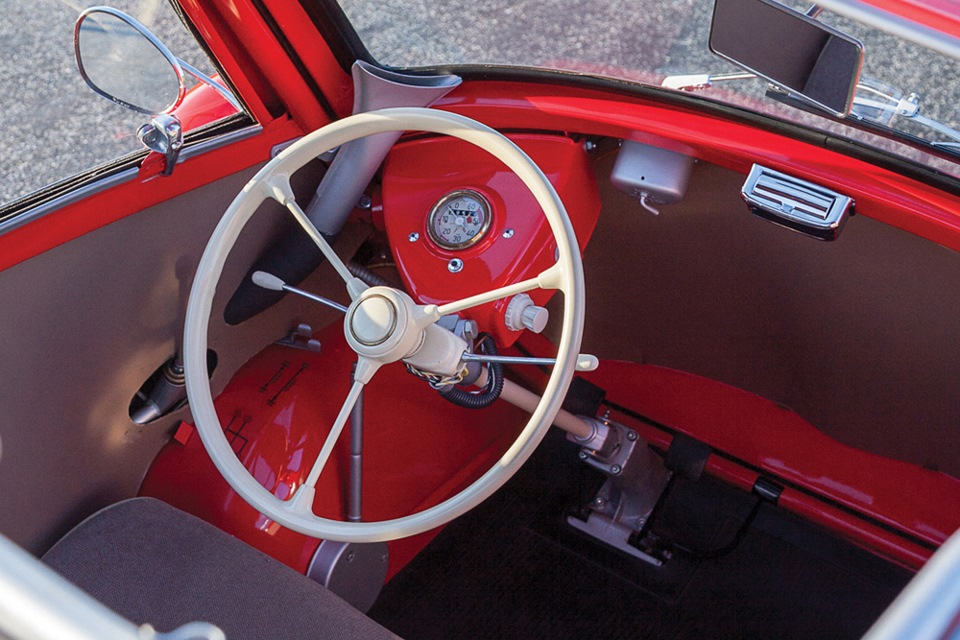
BMW Isetta 300
The Isetta is an Italian-designed microcar built under license in a number of different countries, including Argentina, Spain, Belgium, France, Brazil, Germany, and the United Kingdom. Because of its egg shape and bubble-like windows, it became known as a bubble car, a name also given to other similar vehicles.
In 1955, the BMW Isetta became the world's first mass-production car to achieve a fuel consumption of 3 L/100 km (94 mpg‑imp; 78 mpg‑US). It was the top-selling single-cylinder car in the world, with 161,728 units sold.
Initially manufactured by the Italian firm Iso SpA, the name Isetta is the Italian diminutive form of Iso, meaning "little Iso".
Sunswift eVe
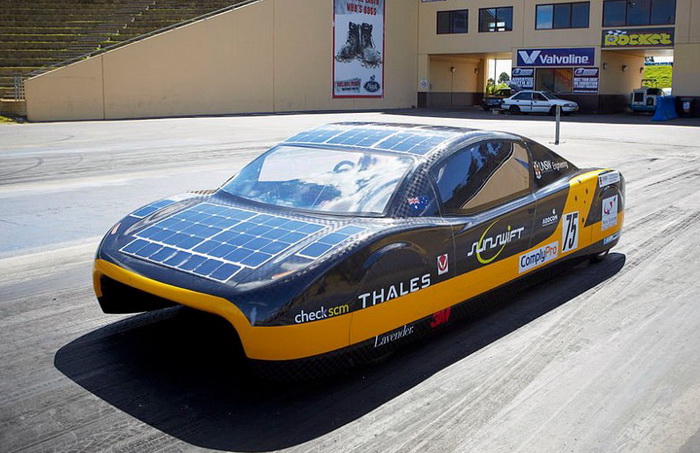
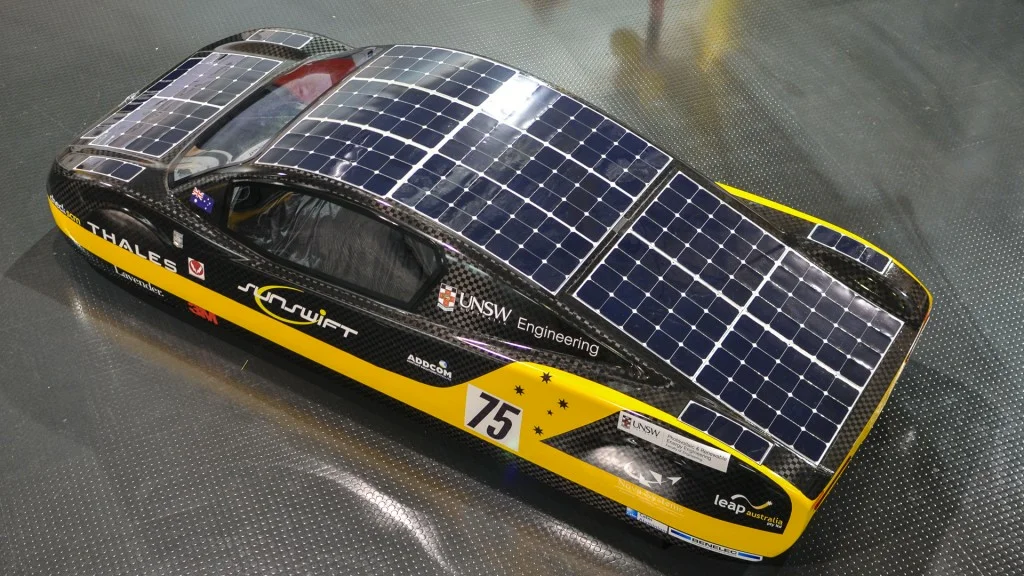
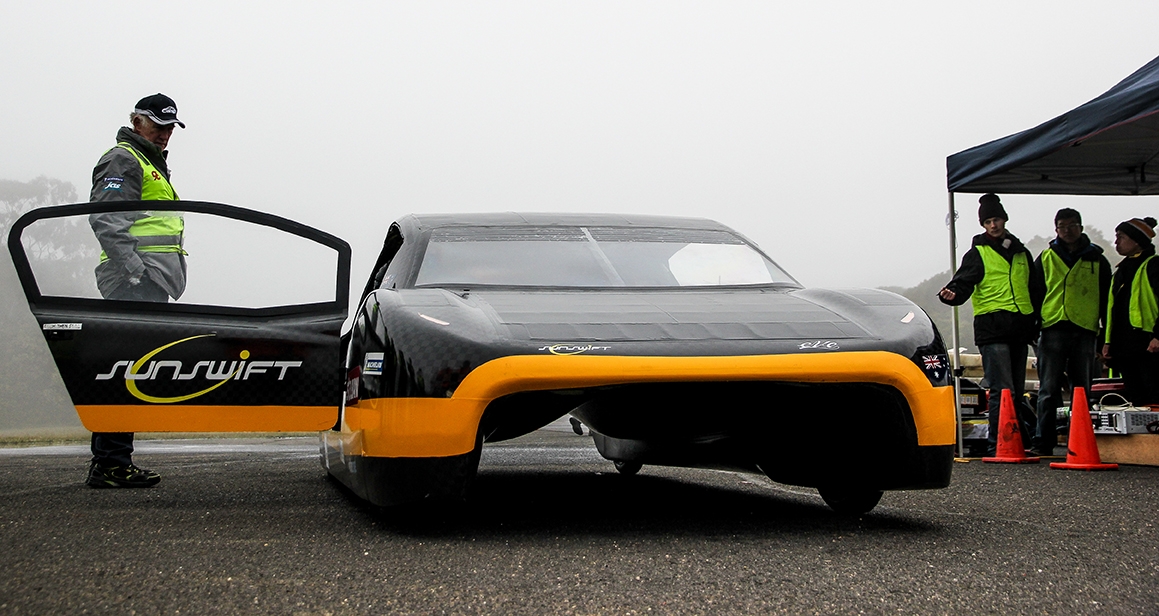
The Australian students didn't even discover that their self-designed solar-powered sports car would be called the first mass-produced solar car.
With a production cost of $20,000, received through donations, they are just one part of a car that successfully competes with similar vehicles developed by serious automakers.
The model has an acceptable appearance, with a familiar appearance, without external design and non-standard design. Ordering the technology of Italian sports cars, the students completed the carbon fiber body, roof and hood, took under 4 square meters of panel panels. The electric motor is located at the rear of the machine, and all the energy is found in a 16 kWh lithium-ion battery.
EVe has excellent aerodynamic performance, high speed of 140 km/h, long distance of 800 km, reliable suspension, regenerative braking function, sensitive braking system and steering.
It is unlikely that we should expect an imminent revolution in the production of "solar cars", but there is already confidence that the eVe will definitely be in its locomotive.
Twike
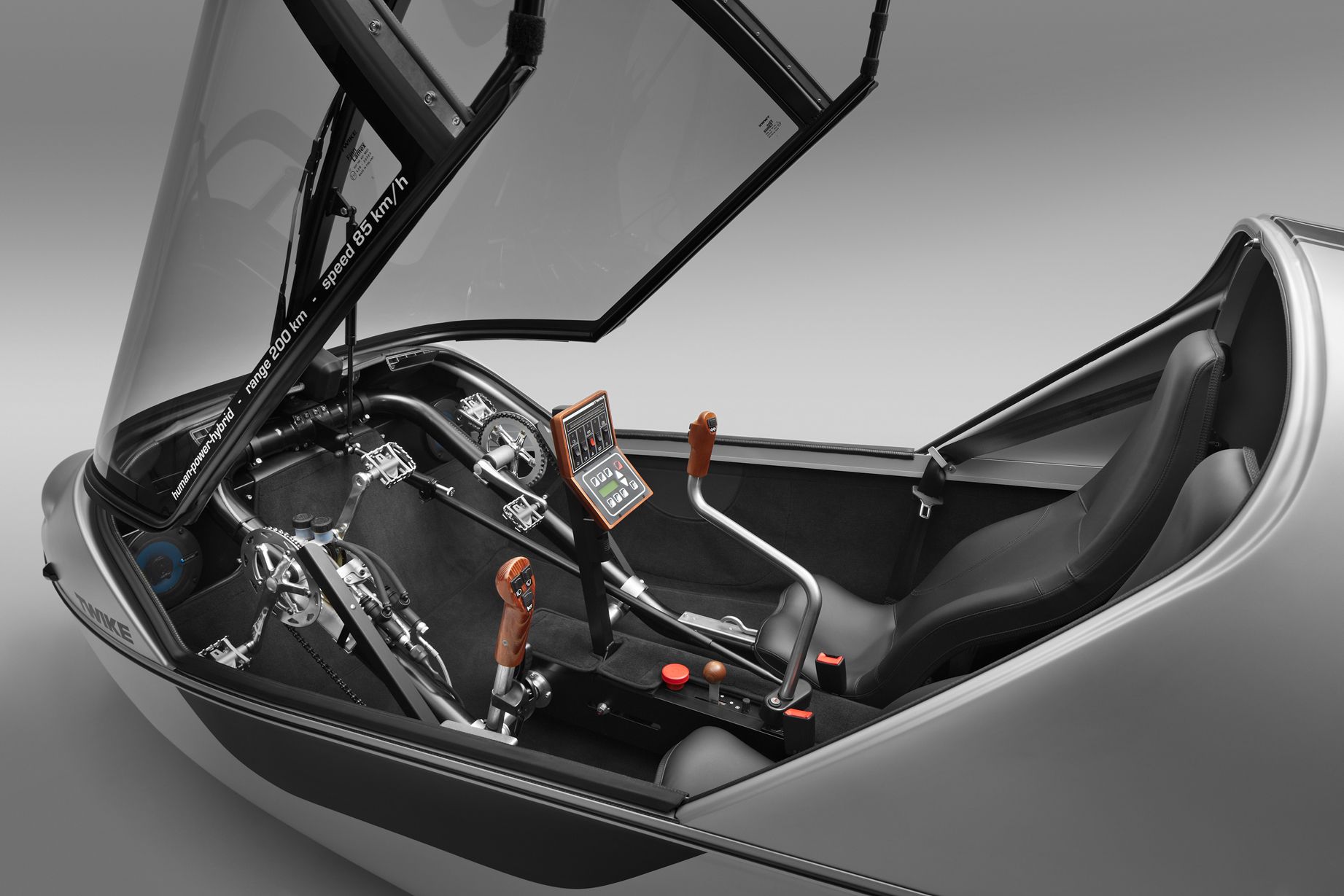
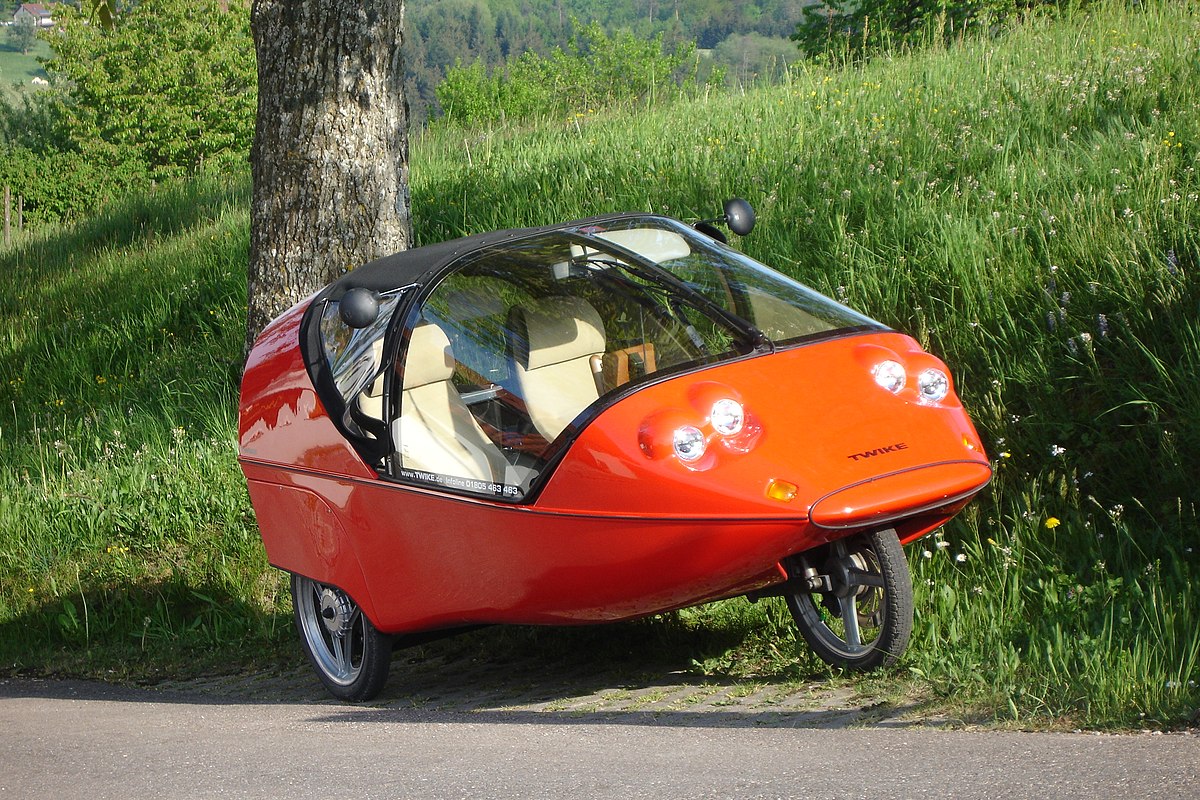
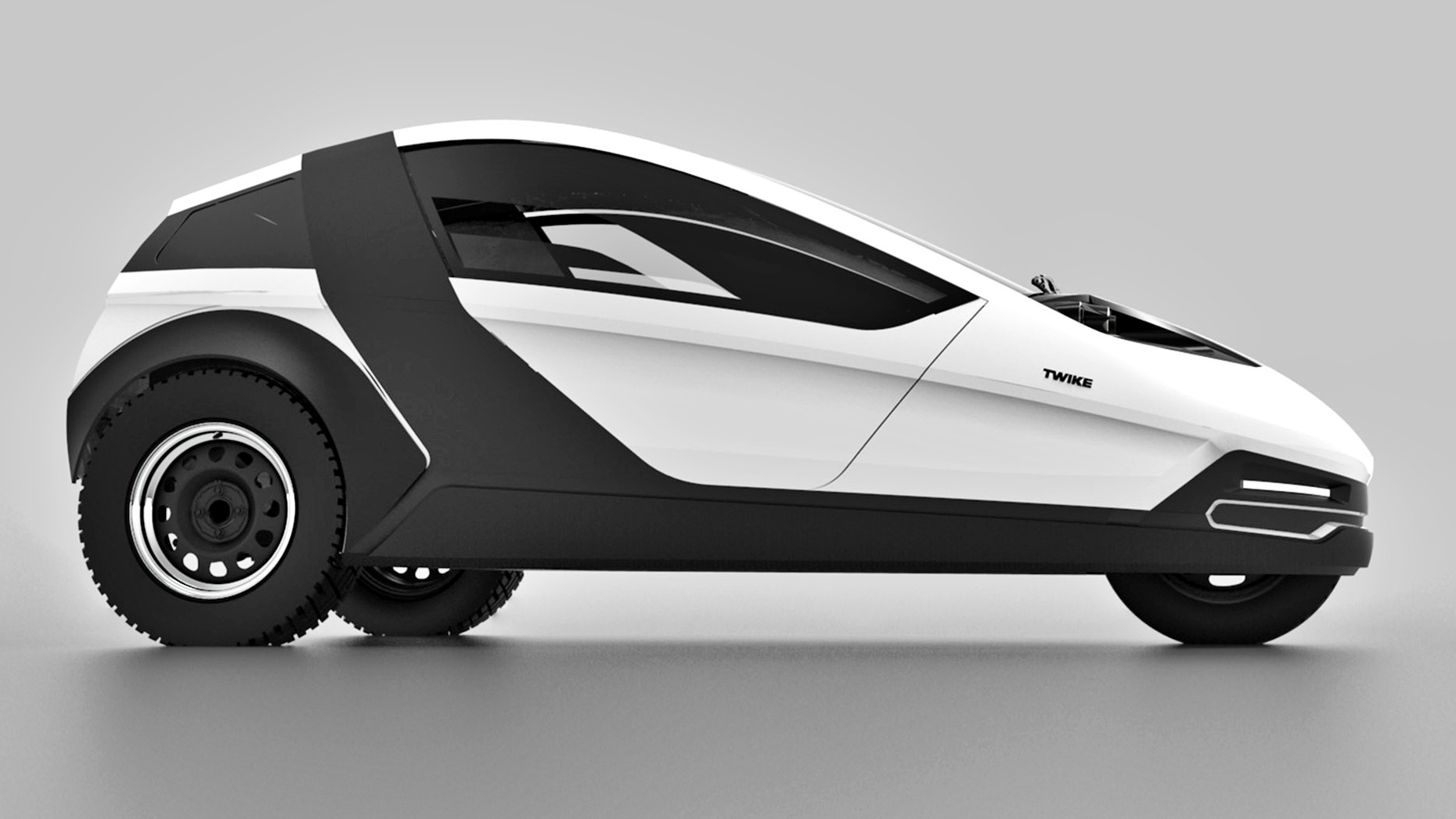
The unique electromuscular hybrid can be attributed to cars, tricycles, and velomobiles. It is driven by an electric motor or conventional pedals, with which its driver will have to work.
The manufacturer jokes that due to pedaling, the car does not require heating - the owner can warm himself through exercise. The pedals also extend the power reserve of the structure, which is 50-300 km.
The laconic appearance of a small double capsule is complemented by a Spartan interior: anatomical chairs, an on-board computer, pedals and a joystick instead of the traditional steering wheel.
Peel P50
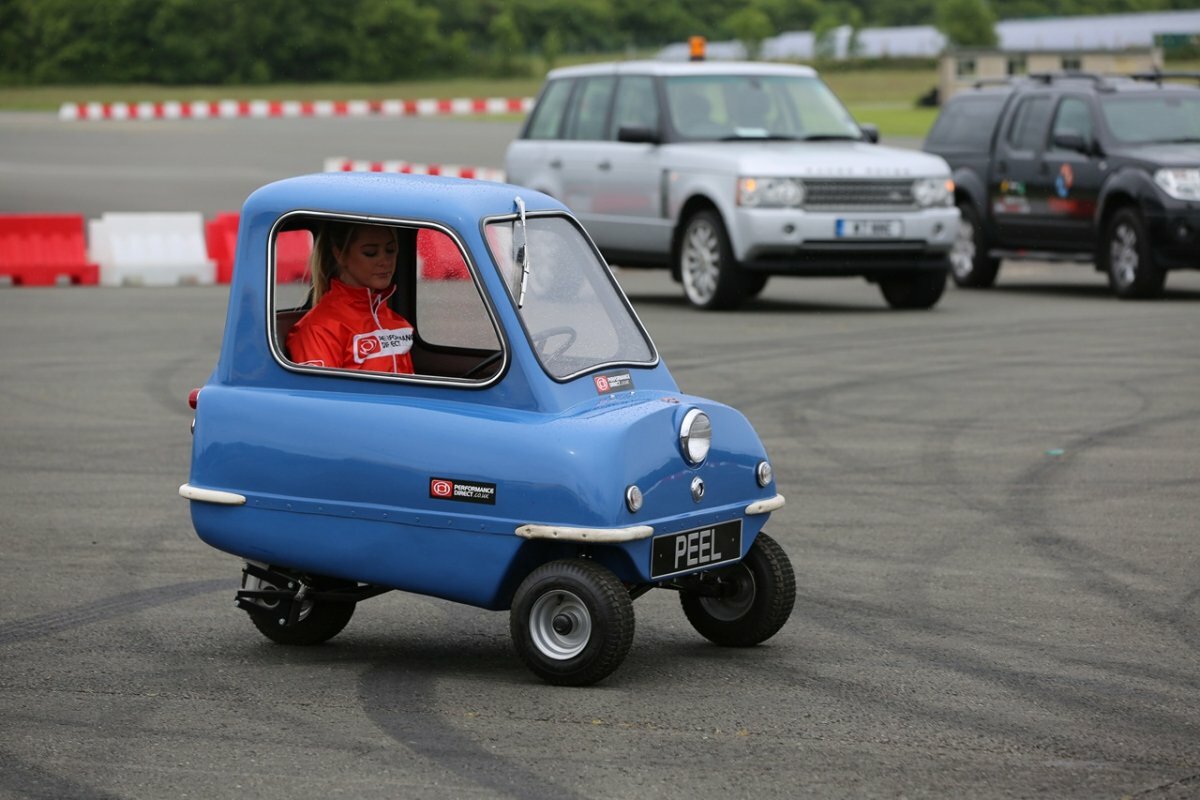
The Peel P50 is a three-wheeled microcar originally made from 1962 to 1965 by the Peel Engineering Company on the Isle of Man, and then from 2011 to present. It was listed in the 2010 Guinness World Records as the smallest production car ever made. The original model has no reverse gear, but a handle at the rear allows the very lightweight car to be maneuvered physically when required.
Designed as a city car, it was advertised in the 1960s as capable of seating "one adult and a shopping bag." The vehicle's only door was on its left side and equipment included a single windscreen wiper and one headlight. Standard colours were Daytona White, Dragon Red, and Dark Blue. The 1963 model retailed for £199 when new (about £6,600 in 2019, or US$8,500). The company produced 50 P50s, of which 27 are known to still exist, one of which was sold for a record US$176,000 at a Sotheby's auction in March 2016.
In 2010 Peel Engineering Ltd. in England reinstated manufacturing of the P50 and Trident models from its premises in Sutton-in-Ashfield, England. Externally this car is very similar to the original, with the same dimensions and kerb weight as the original, but with mechanical differences in the suspension, steering, and drive-train, and a fully functioning reverse gear, ensuring they are road-legal under today's rules. Production included petrol models with a 49 cc four-stroke engine and electric models with an electric moped motor and gelled-electrolyte batteries. The top speed of both cars is about 28 mph (45 km/h).
.jpg)
.webp)